Biohazard Cleanup
Safe, careful removal of bodily fluids and other infectious material, finished with hospital-grade disinfection.
Learn more →Kansas · Sedgwick County
Unsure whether a mess counts as a biohazard in Uptown, Wichita, KS? Call (877) 812-4220 and ask. Blood, human waste, decomposition, sharps and sewage all get full protective gear and hospital-grade disinfection.
If anyone is in danger, call 911 first. For a suicide crisis, call or text 988.
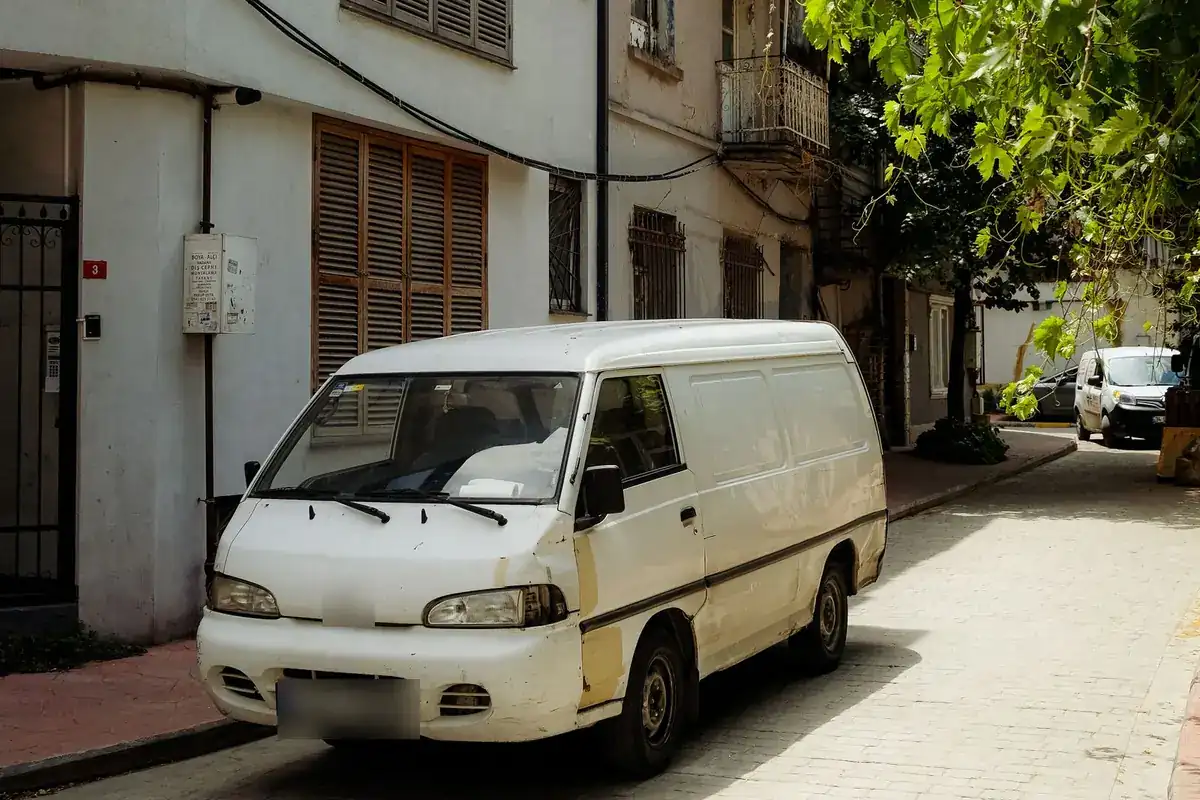
Bio cleanup covers more than crime scenes. It includes unattended deaths, suicides, accidents, hoarder houses, sewage backups and disease outbreaks. Whatever the cause, you can call Uptown Biohazard Cleanup Help in Uptown for houses, apartments, offices and vehicles.
Work begins once law enforcement or the investigator releases the scene. After that, crews move through containment, removal, disinfection and odor treatment in Uptown, East Front and the wider Sedgwick County area.
Sedgwick County has a Very Low hurricane risk rating from FEMA. Storm damage can bring sewage backups, mold and contaminated water into homes, and all of it needs proper cleaning. Annual rainfall in Uptown averages about 34 inches. Rain and humidity can drive mold, sewage backups and lingering odor, which is why cleanup includes drying and air treatment.
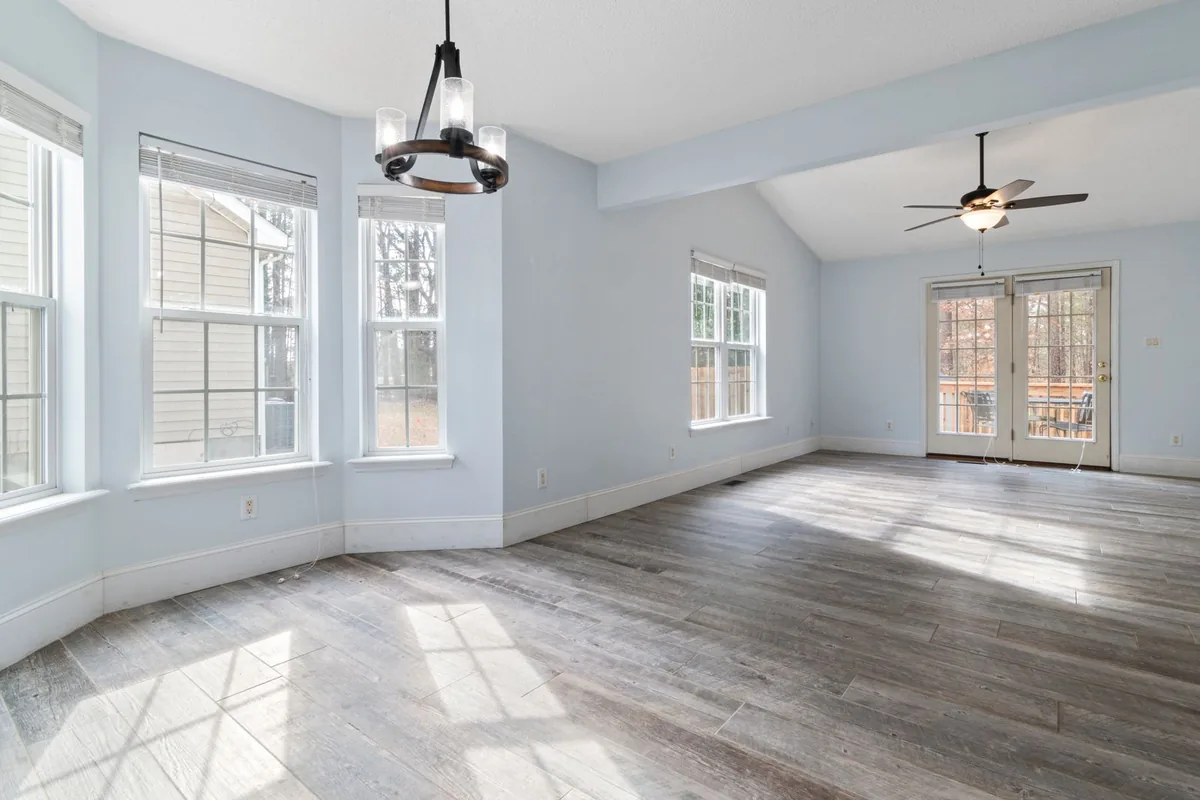
Infectious materials call for infection control, not just cleaning. Biohazard remediation crews use respirators, gloves and disposable coveralls under the OSHA Bloodborne Pathogens Standard (29 CFR 1910.1030), then bag every contaminated item for proper disposal.
Real decontamination reaches what the eye cannot see. Fluids travel under flooring and into baseboards, so crews check beneath and behind surfaces, remove affected materials and disinfect the exposed area before odor treatment begins.
These are the biohazard cleanup services you can get in Uptown and nearby parts of Sedgwick County. Not sure which one applies? Call (877) 812-4220 and describe what happened.
Safe, careful removal of bodily fluids and other infectious material, finished with hospital-grade disinfection.
Learn more →Cleanup after violent crimes, break-ins and assaults, using protective gear and EPA-registered disinfectants.
Learn more →Trauma and crime scene cleanup for homes, workplaces and vehicles, handled privately with protective gear.
Learn more →Cleaning, disinfection and odor removal after a death that was not found right away.
Learn more →Respectful biohazard cleanup that removes affected materials and treats odor so families do not have to.
Learn more →Respectful homicide cleaning that removes blood, bodily fluids and odor after investigators release the scene.
Learn more →Blood spill clean up for homes, rentals and workplaces, with soaked materials removed and surfaces sanitized.
Learn more →Soaked carpet, mattresses and furniture removed, and affected surfaces sanitized after a fluid release.
Learn more →Waste cleanup after neglect, illness or a long absence, handled privately and without judgment.
Learn more →Decomposition odor removal that treats flooring, walls and air after an unattended death.
Learn more →Hauling, disinfecting and odor removal for crowded homes, without judgment or pressure.
Learn more →Hoarder house cleanout that clears every room and leaves the property ready for its next step.
Learn more →Ammonia odor, urine and feces cleaned from floors, walls and air after animals are removed.
Learn more →Crews haul away trash and soiled items, then deep clean and sanitize the home.
Learn more →Category 3 cleanup with protective gear, sealed disposal and EPA-registered disinfectants.
Learn more →Biohazard decontamination after outbreaks, with protective gear, set order of work and sealed disposal of waste.
Learn more →Surfaces cleaned, disinfected and checked so a contaminated room or vehicle is safe to use again.
Learn more →Medical waste removal: sharps, soaked dressings and clinical waste packed, sealed and hauled away.
Learn more →Needle and sharps cleanup: syringes found, collected with tools and disposed of in sealed containers.
Learn more →Drug paraphernalia cleanup: syringes, pipes and items removed, surfaces cleaned and waste hauled away.
Learn more →Testing, removal, cleaning and retesting for properties where meth was made or heavily used.
Learn more →Careful fentanyl cleanup that avoids dry sweeping, controls dust and seals contaminated waste.
Learn more →Toxic waste cleanup that identifies the substance, cleans affected surfaces and follows disposal rules.
Learn more →Fuel, solvent and chemical spill cleanup for homes, farms, shops and fleet yards.
Learn more →Pepper spray cleanup that lifts oily residue from surfaces without spreading it to clean rooms.
Learn more →Droppings cleanup in kitchens, garages, ductwork and storage rooms with protective gear and sealed disposal.
Learn more →Histoplasmosis-aware cleanup with respirators, HEPA filtration and sealed disposal of guano.
Learn more →Carcass cleanup of fluids and soaked insulation, carpet and drywall that cannot be saved.
Learn more →Hazmat car cleaning with protective gear, EPA-registered disinfectants and sealed disposal of contaminated parts.
Learn more →Injury scene cleaners remove soaked materials, treat odor and prepare records for employers and insurers.
Learn more →Commercial cleaning crews disinfect offices, shops, plants and rentals after injuries, deaths and backups.
Learn more →Sorting, removal and cleaning of a loved one's home, with keepsakes set aside for the family.
Learn more →A cleanup specialist asks what happened, who is safe and whether police or an investigator have released the scene. The answers decide how the job is planned.
A technician walks the space, notes where fluids reached and lists what can be cleaned and what must be removed. The plan and cost range are explained before work begins.
Contaminated materials come out, surfaces are cleaned and disinfected, and the waste is packed for lawful disposal.
Hydroxyl, ozone or HEPA air treatment removes lingering odor. The crew walks the property one last time before calling the job complete.
Contaminated items are sealed, labeled and kept out of household trash, and the waste leaves under medical waste rules.
Cleanup covers houses, apartments, rentals, offices, churches, shops and cars or trucks, with plans that fit each type of property.
A cleanup specialist explains the steps, the likely cost range and what the property owner needs to do next, in everyday words.
Calls are answered day and night. Crews arrive in unmarked vehicles and work quietly, so neighbors are not told what happened.
Biohazard cleanup in Uptown, Wichita, KS typically costs $500 to $25,000, depending on the type of biohazard, the size of the affected area and how far fluids soaked into porous materials.
Most residential jobs cost $3,000 to $5,000 (Fixr). Ask what is included before agreeing to anything: removal, disinfection, odor control, waste disposal and paperwork. A clear scope helps the family, the landlord and the insurance company agree on the cost.
| Type of job | Typical range |
|---|---|
| Blood spill cleanup, small area | $500 - $2,500 |
| Crime scene cleanup, most homes | $1,500 - $7,500 |
| Unattended death cleanup | $2,000 - $7,000 |
| Suicide cleanup | $1,500 - $5,500 |
| Sewage cleanup, most homes | $2,000 - $10,000 |
| Hoarding cleanup, level 3 home | $2,000 - $5,000 |
| Meth lab cleanup, typical | $15,000 - $20,000 |
Estimates only, not a quote. Sources: Fixr, Yelp Costs, BioCleaners Directory, PushLeads, Dropcurb, Bob Vila and cleanup company cost guides. Call (877) 812-4220 to talk through the job.
Homes, churches and businesses may need infectious disease disinfection, needle and sharps cleanup, or meth lab and fentanyl decontamination after a property is released.
Attics, barns and sheds can hold droppings, guano and carcasses that carry disease. Careful removal and disinfection protect the people who go back in.
With a vacancy rate of 10% in Wichita, empty buildings can collect animal waste, drug paraphernalia and storm damage that nobody sees until later.
Falls, power tool injuries, farm and industrial accidents and car crashes can leave blood and tissue behind. Accident scene cleanup removes the trace so the space can be used again.
Sedgwick County has a Relatively High river flood risk rating from FEMA. Floodwater mixes with sewage, and anything it touches needs full biohazard cleaning, not just drying.
Hoarder homes can hide rotting food, animal waste, mold and pests, along with fire and structural hazards. Hoarding cleanup sorts belongings and restores a livable condition.
Not every biohazard looks the same or carries the same risk. A cleanup team sorts the problem by type and by size, and that sorting decides the protective gear, the method and the budget.
Describe what happened, where it is, how big the area is and whether police have released the scene. Mention any insurance claim, pets, valuables or access issues. The more detail you share, the clearer the plan and cost range can be.
A biohazard is any biological material that can carry germs and make people sick. Common examples are blood, bodily fluids, tissue, sewage, used needles, animal waste and the fluids from decomposition. Anything that has touched them can also become contaminated.
The body is removed by a funeral home or the authorities. Cleaning the room afterwards is not their job; the family, landlord or estate hires biohazard cleaners for death cleanup, decomposition removal and odor removal.
Yes, when the source is removed and treated. The crew takes out the contaminated materials, disinfects the surfaces, and uses HEPA air scrubbers and hydroxyl or ozone equipment to clear the air, rather than masking the smell.
The cost depends on the type of contamination, the size of the area, how many porous materials must be removed, odor treatment and waste disposal. A small spill costs far less than an unattended death or a hoarded home. The cleanup team explains the cost range after hearing the details.
Most biohazard clean up jobs take one to three days. A small blood spill can be finished in a few hours, while an unattended death with decomposition, a hoarder house or a meth lab can take a week or longer.
The nearest emergency room is Ascension Via Christi Hospitals Wichita, Inc. in Wichita, about 2 miles from Uptown. In any emergency, call 911 first. Cleanup waits until people are safe.
It can. Sedgwick County has a Relatively High river flood risk rating from FEMA. Wherever floodwater or a sewer backup enters a home, the water is treated as Category 3 and needs full cleaning and disinfection.
Need a local biohazard company in Uptown or nearby communities, including East Front, College Hill and Wichita, the Sedgwick County seat? Call Uptown Biohazard Cleanup Help at (877) 812-4220 from any of them.
Crews work in unmarked vehicles, so the job stays private.
Call (877) 812-4220